Construction Gravel
Atlas Roll-Off has years of experience in the industry and is a trusted distributor of construction gravel. We also distribute many other types of crushed stone aggregates throughout the greater NYC area, including Brooklyn and Queens. Construction gravel, which is also known as construction aggregate, is a category of particulate materials that covers a broad range of sizes. Sand, crushed stone, slag or recycled concrete are all types of materials you can find in an aggregate. We supply all types gravel for use during construction projects to customers across the NYC area.
Contact Atlas
So please, give us a call today for more information. When you get in touch with us, we can provide you with a free estimate! And when you turn to us, get on-time delivery! Located at 895 Essex Street, Brooklyn, New York, our team can get you the construction gravel you need.
What is Construction Gravel?
Aggregates are simply a component of composite materials and serve as a reinforcement to add strength to the overall composite material. It is very popular on construction sites due to this simple benefit, but in general this material has many great uses. Foundations, roads and railroads commonly used construction gravel aggregate as a base material. This is due to the stability the gravel provides for the workers to build upon. It is also a low-cost material to work with and binds well with concrete and asphalt, which are more expensive materials to work with.
Construction Sand
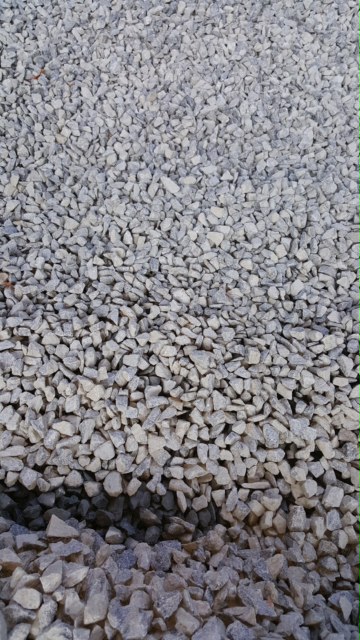 Construction Gravel Sources
Using gravel for various construction projects is very common. It is even pretty great to use for your home driveway! There are three main areas that are of note when it comes to the sources and they are:
- Mining of mineral aggregate deposits: sand, gravel and stone.
- Waste slag used after the manufacturing of iron and steel
- Recycling of concrete
A large majority of the aggregate used is supplied through those areas. However, there are some other more minor materials that are used more so as specialty lightweight aggregates. This includes clay, pumice, perlite and vermiculite. The popularity of construction gravel is mainly due to its cheap costs. It is also highly flexible with the projects it can be used in, which makes it even more popular. It can be sourced from various locations and is most effectively used with both concrete and asphalt.
Types of Construction Gravel and Their Suitability
There are different types of construction gravel that suit different projects. Her are a few examples of different types of construction gravel and their overall suitability.
- Crushed Stone Gravel: Angular, interlocking, ideal for roads, driveways, and foundations.
- Pea Gravel: Small, rounded, best for decorative landscaping and light-duty paths.
- River Gravel: Smooth, naturally rounded, used in landscaping and garden features.
- Bank Run Gravel: Mixed sizes, suitable for general construction and compaction.
- Processed Gravel: Engineered blend of stone and fines, customizable for load-bearing and drainage requirements.
Modern Production of Construction Gravel
Modern blasting techniques spawned the creation of quarries around the world. Effective methods were put in place to extract many different types of bedrock deposits. Quality materials to use in construction, such as marble, granite and limestone, do not exist. But sand and gravel are much more readily available. Many mine those materials for aggregate use. It is also easy to ship construction aggregate to places that need it. And do so at a cost-effective rate. Aggregate may not be a large scale solution for the lack of better materials. However, it work great for many applications.
Key Benefits of Using Construction Gravel
Strong Load-Bearing Capacity
The use of construction gravel provides a stable foundation for structures like roads, driveways, and buildings. It also distributes weight evenly, reducing the risk of shifting or settling over time.
Excellent Drainage
One of gravel’s biggest advantages of using gravel for a construction project is its ability to allow water to pass through easily. This allows for the following to occur:
- Prevention of water pooling.
- Erosion and structural damage reduction.
These factors make construction gravel ideal for foundations, drainage systems, and landscaping.
Cost-Effective Material
Compared to materials like concrete or asphalt, gravel is:
- Less expensive to purchase.
- Cheaper to install in most place.
- Requires minimal specialized equipment.
These factors make it a popular choice for both large-scale construction and DIY projects.
Low Maintenance
Gravel surfaces are easy to maintain as they are simple to regrade or top up. They also do not crack like concrete. If repairs are needed, they are quick and inexpensive.
Versatility in Appliations
Construction gravel is a versatile material you can use in different applications, which includes:
- Foundations and sub-bases.
- Driveways and pathways.
- Drainage systems.
- Landscaping and decorative features.
Different sizes and types allow it to be tailored to specific needs.
Durability and Longevity
Gravel holds up well under heavy use and harsh weather conditions, sine it offers great resistance to temperature changes. It does not expand or contract significantly and performs well in freeze-thaw climates.
Environmentally Friendly Option
Gravel is often considered a more sustainable option for construction projects, due to the following reasons:
- It’s a natural material.
- Requires less processing than concrete or asphalt.
- Can be reused or recycled.
Quick & Easy Installation
Unlike poured materials, construction gravel can be:
- Installed quickly.
- Used immediately after placement.
- Adjusted easily during construction.
Ultimately, construction gravel is popular because it combines strength, drainage, affordability, and flexibility. These factors make it a practical choice for everything from heavy infrastructure to simple home projects.